Pre-Listing Inspections in Seattle: Why Sellers Should Get One (Most of the Time)
- Ryan Palardy,
- January 29, 2026



A pre-listing inspection is a professional home inspection ordered by the seller before the home hits the market. Most of the time, it’s a simple way to reduce buyer uncertainty, prevent deal-drama later, and keep your sale timeline on track, especially in Seattle where older housing stock and tight transaction timelines can magnify surprises.
Why it matters: fewer buyer “unknowns” usually means more confident offers, cleaner negotiations, and fewer last-minute renegotiation attempts.
Buyers are already stretched: earnest money, down payment, lender appraisal gaps, moving costs, rate anxiety, and the general stress of “Is this the one?” Now add another hurdle: “Do we want to spend $700–$1,200 on an inspection just to find out if this place is a money pit?”
Even when buyers intend to inspect, that cost can be a speed bump. It’s common for buyers to hesitate after they’ve paid for a prior inspection and lost anyway. Providing a recent inspection up front lowers the activation energy required to engage. More buyers feel comfortable writing, and more buyers writing offers (or even leaning in) is how you get better terms.
Deals rarely fall apart because of “a few normal inspection items.” They fall apart because of surprises:
• Active leaks
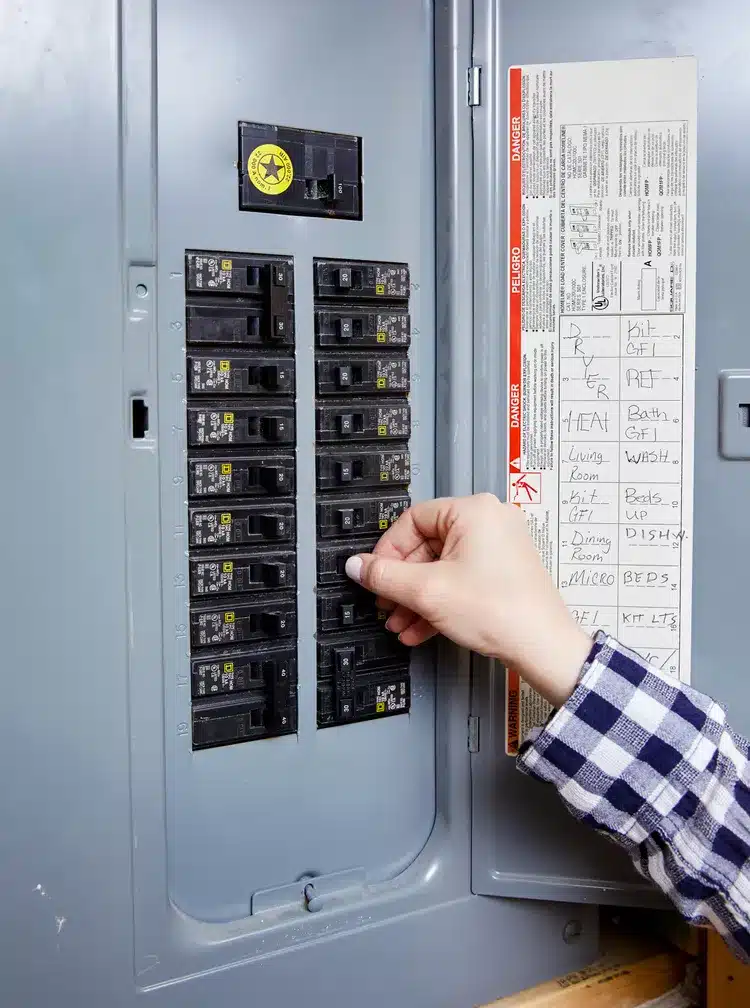
• Electrical safety issues
• Sewer problems
• Hidden moisture conditions
• Roof end-of-life questions
• Structural movement concerns
• Safety hazards buyers can’t ignore
Credit: Jacob Fox
When the buyer discovers something big during their inspection, you’re suddenly negotiating from inside a contract, under a deadline, with a buyer who may now feel misled (even if you genuinely didn’t know).
A pre-inspection doesn’t magically fix problems, but it gives you options: repair before listing, price appropriately, disclose clearly, prepare bids/receipts, and avoid the dreaded “We need 5 more days to investigate” spiral.
Buyers aren’t just buying your house; they’re buying their future stress level. When a seller provides a clean, recent report, and can speak coherently about maintenance history, upgrades, and known issues, it creates a powerful impression that the home has been cared for. That confidence shows up in real ways: stronger initial offers, fewer extreme repair demands, shorter contingency periods, smoother escrow, and less “I’m nervous, let’s renegotiate” behavior.
Some buyers arrive with inaccurate assumptions: “All older homes have knob-and-tube,” “That crack means the foundation is failing,” “A small stain means there’s mold everywhere,” “This electrical panel brand is automatically unsafe,” and so on.
A professional report doesn’t end disagreement, but it prevents conversations from spiraling into worst-case speculation. It gives everyone a shared baseline. Even when a buyer does their own inspection (many still will), your pre-inspection often becomes the “starting map” that makes the buyer’s inspection faster, more focused, and less dramatic.
If buyers are forced to “investigate” during open houses, peeking into crawl access points, testing windows, asking whether the sewer has been scoped, and trying to play amateur inspector, you get more clutter and more distracting conversations during the exact window you want the home to feel calm, easy, and inviting.
A pre-inspection package answers many of those questions before buyers ever walk in. Showings become about how the home lives, not what might be hiding behind the walls.

Buyer pre-inspections can interefer with showings and open houses, limiting the number of eyeballs on your home.
A solid pre-inspection is typically a four-figure decision in a seven-figure transaction. Could you spend that money and still have a buyer ask for a credit later? Yes. But the better question is whether it improves your odds of more buyers engaging, cleaner offers, tighter timelines, fewer renegotiation attempts, and less fallout risk. In my experience, it often does, especially for older homes, homes with additions, homes with deferred maintenance, or homes where buyers might already be nervous.
In Washington, sellers complete disclosure forms that matter. When you don’t know what you don’t know, you’re exposed to avoidable stress later. A pre-inspection helps you disclose more accurately and confidently. It also reduces the chance of accidental contradictions, like saying “no known issues” and then having a buyer’s inspector find something obvious and document it. This isn’t about being alarmist. It’s about being precise.
Here’s what we commonly consider, depending on the home:
• Home inspection (pre-listing)
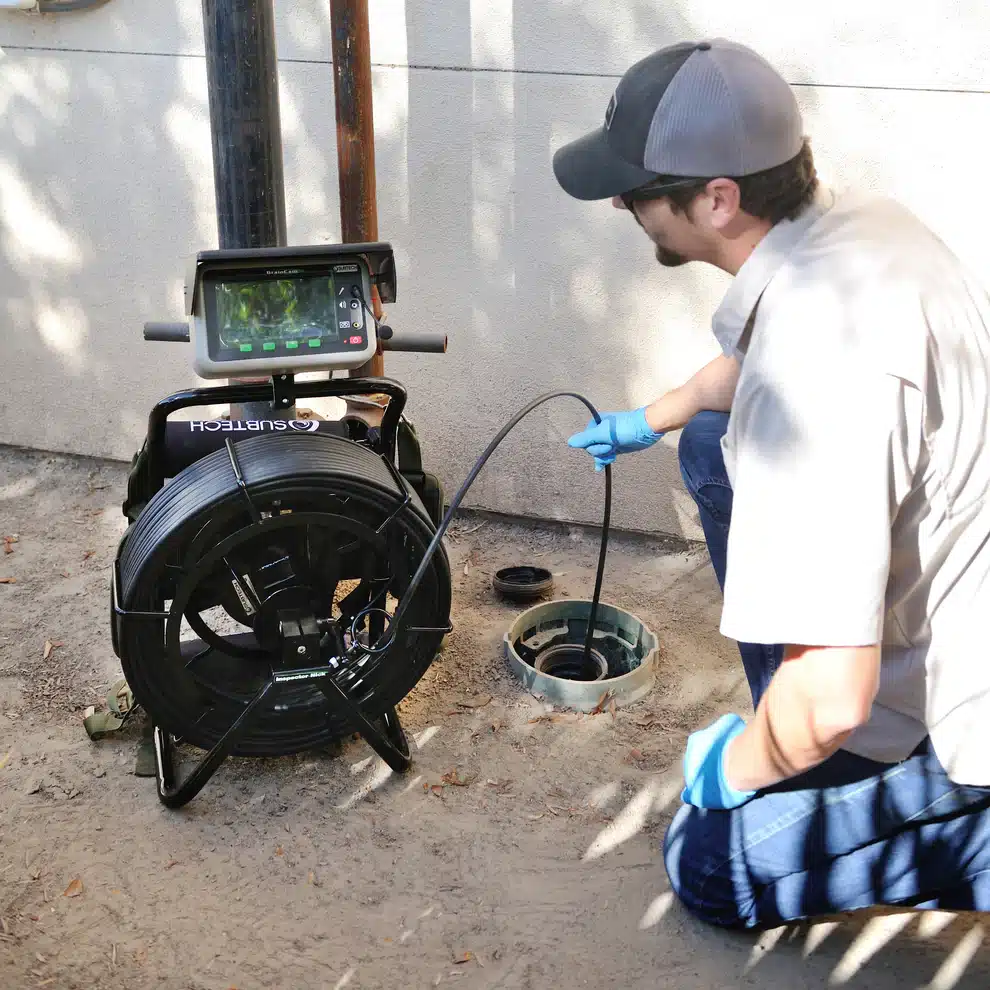
• Sewer scope (especially for older homes)
• Oil tank sweep (where age/area history makes it relevant)
• Receipts and permits for past improvements (if available)
Most sellers benefit from ordering the inspection early enough to act, but close enough to listing to feel current. In practice, that’s often 2–4 weeks before go-live, depending on prep work and contractor availability.
If the buyer is buying the land and expects a full gut, the value of a detailed inspection can be lower. Even then, a sewer scope can still be useful because sewer surprises are expensive.
Buyers often still do inspections (pre-drywall and final). A seller-side inspection isn’t always necessary, but documentation and warranty clarity become the equivalent.
Pre-inspections can help, but condo diligence often lives in the resale certificate, budget, reserves, special assessments, and building condition. For condos, your “package” is frequently document-driven.
In some segments, buyers will do their own inspection regardless. Even then, a pre-inspection can reduce panic and renegotiation attempts, but the ROI calculation gets more nuanced.
If your home is older, has additions, has any visible wear, has a crawl space, or has a sewer line you haven’t scoped recently, a pre-listing inspection is usually worth it. If your home is a clear tear-down, a brand-new build with strong warranties, or a condo where the HOA documents are the primary risk, it may be optional (or you shift your focus to other diligence).
Most sellers benefit from it. It reduces buyer uncertainty, helps prevent escrow surprises, and supports cleaner negotiations.
Often, yes. The seller inspection typically makes the buyer’s process faster and less dramatic because there are fewer unknowns.
Usually the opposite. Clear information tends to increase confidence. What scares buyers is surprise, not transparency.
For many older homes, it’s a smart move. Sewer issues are expensive, and uncertainty around the line can spook buyers quickly.
That’s the point! You can choose whether to repair, disclose with context, obtain bids, or adjust pricing, but you’re making those decisions proactively instead of under contract pressure.
Sometimes, but the bigger leverage point is often the HOA documents and building financials. It depends on the unit and building.
If you’re thinking about selling, the simplest approach is to treat the inspection as part of your listing “due diligence package,” not as a reaction to buyer pressure. Order it early enough to act, decide what you’ll fix versus disclose, and present the information in a clean, organized way.
 About the Author: Ryan Palardy
Ryan Palardy is a CRS (Certified Residential Specialist) Real Estate Broker & Attorney who helps buyers and sellers move through Seattle’s housing market with strategy, confidence, and a clear understanding of what truly drives value. As part of the Get Happy at Home team, he brings the weight of more than 25 years of combined experience, $600 million in closed sales, and the trust of 1,300+ clients across Seattle and the Eastside.
Ryan’s work centers on first-time buyers, out-of-area relocations, tech employees, and homeowners preparing for a pre-sale remodel. He and the Get Happy at Home team were named Best Real Estate Team in the Seattle Times “Best in the Pacific Northwest” awards for 2025, and are known for consistently delivering top-of-market results for their sellers. The team has earned hundreds of five-star reviews across every major platform—reflecting a long-standing commitment to candor, preparation, and client advocacy.
Before real estate, Ryan practiced law in Washington after earning his J.D. from the University of Washington and receiving his WSBA license in 2018. That background shows up in the way he structures deals, spots risks early, and protects his clients’ interests. Ryan lives in Northwest Seattle with his family.
If you’re exploring a move, planning ahead, or want a clearer read on your options, you can reach Ryan directly—or connect on LinkedIn for ongoing Seattle market insights.
License info: Licensed Real Estate Broker in WA, License #21024995. Office: Seattle, WA.
This information is for educational purposes only and does not constitute legal advice. Real‑estate laws and title insurance rules can change; consult a qualified attorney or title professional for specific guidance.