Somerset vs. Lakemont: A Bellevue Neighborhood Showdown
- Ryan Palardy,
- December 28, 2025



By Matt Miner & Ryan Palardy
If you are shopping for a home on the Eastside, you have likely hit a specific fork in the road: Somerset or Lakemont?
On a map, they look like neighbors. In reality, they are two different eras of the American Dream sitting right next to each other. One is the established, mid-century king of views. The other is the polished, 1990s planned community.
Both neighborhoods are fueled by tech wealth and high-performing schools. However, the housing stock, the lifestyle trade-offs, and the “vibe” are distinct. Here is the breakdown of why you would pick one over the other.
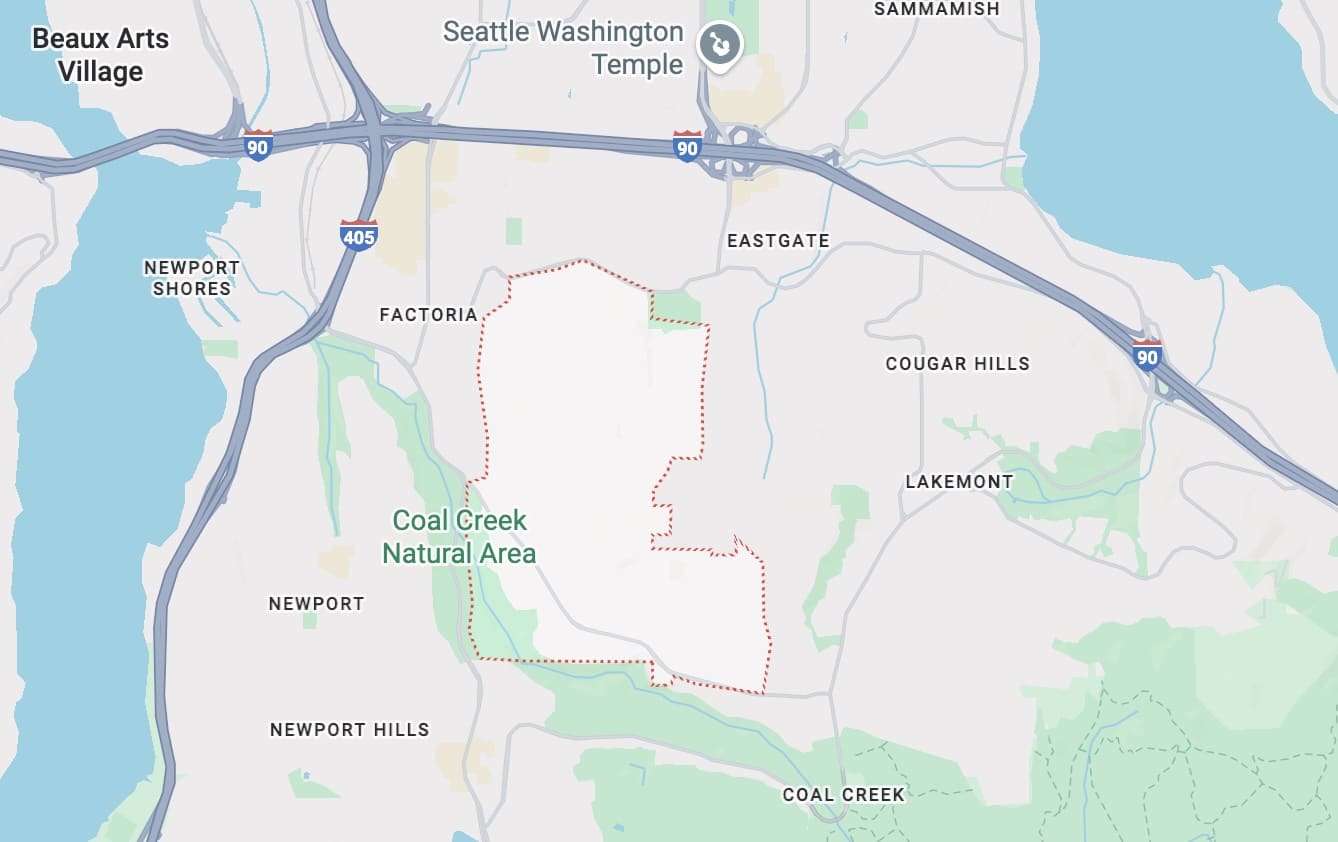
Somerset is one of the classic “executive” neighborhoods of Bellevue. Developed largely in the 1960s and 1970s, it was designed to maximize one specific asset: the view.
The Housing Stock Somerset is famous for Mid-Century Modern and Northwest Contemporary architecture. You will find custom homes built into the hillside with angular rooflines, wood-clad exteriors, and massive windows designed to capture Lake Washington and the Seattle skyline.
Because these homes were built in the 1960s and 70s, they often feature daylight basements and split-level layouts. The lots are generally established, but the layouts can feel compartmentalized unless a previous owner has opened them up.
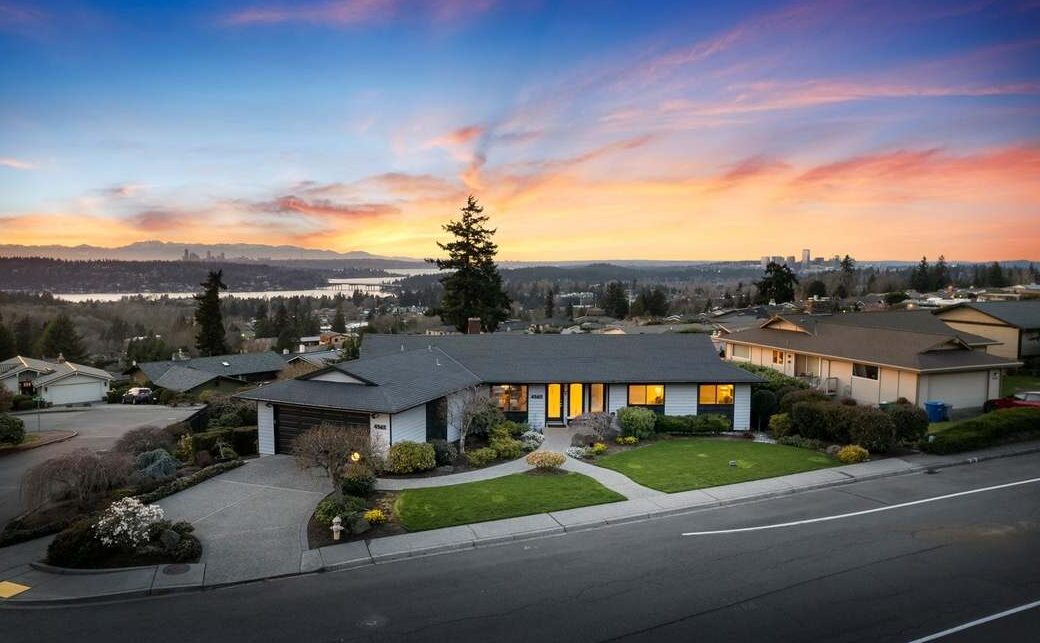
The Trade-Offs Buying in Somerset means buying a 50-to-60-year-old house. You need to watch out for era-specific issues like aluminum wiring (common in mid-60s to early-70s homes), which can be a fire hazard if not retrofitted. You might also encounter galvanized plumbing or original single-pane windows that bleed heat.
Why You Pick Somerset You want the best view in Bellevue and a house with architectural soul. You are willing to handle some maintenance or remodeling to get a prime location that feels connected to the city skyline.
Lakemont feels worlds apart from Somerset. Developed heavily in the 1990s, it represents the “move-up” buyer boom. It sits just southeast of Somerset, often feeling more secluded and suburban.
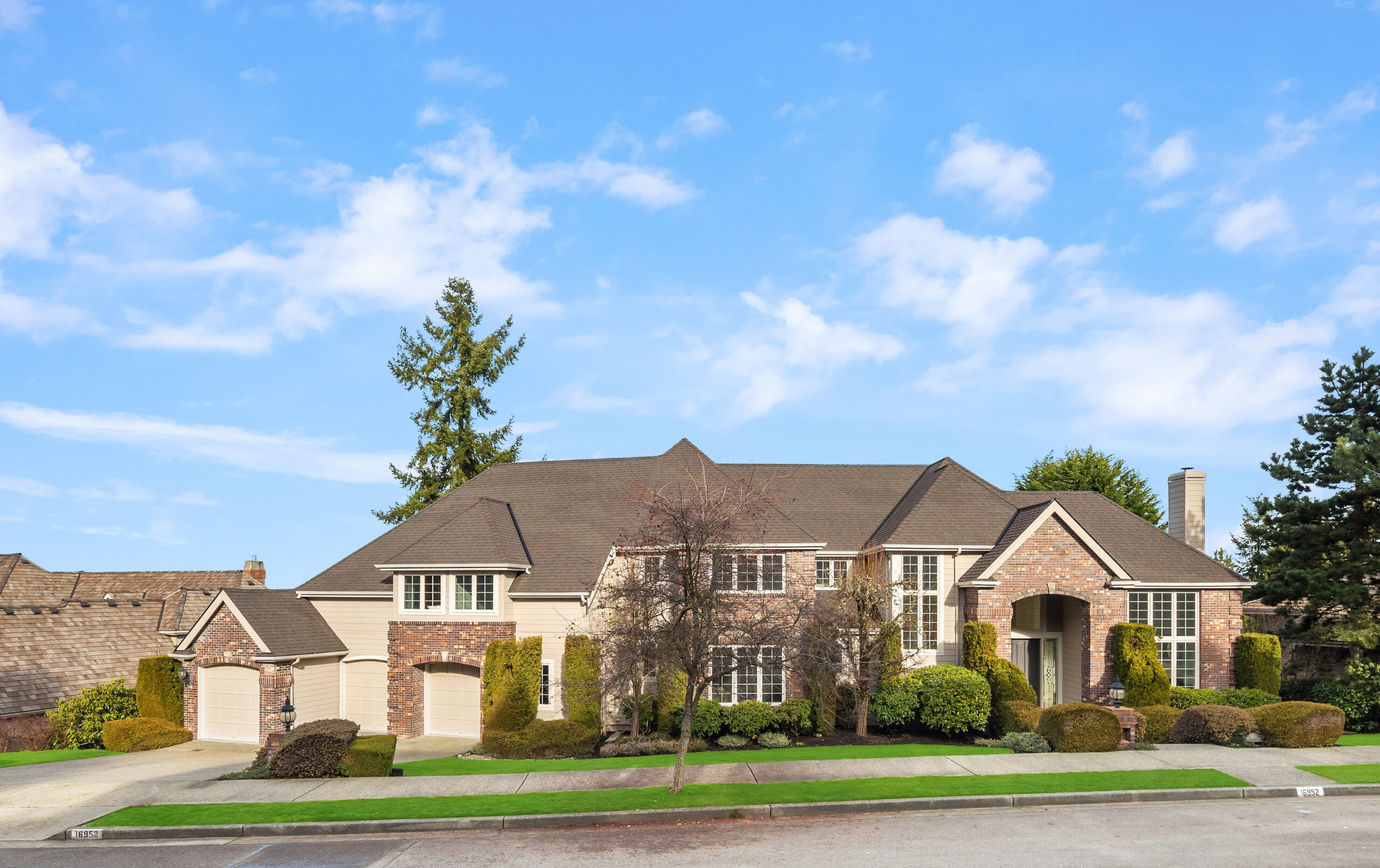
The Housing Stock Lakemont is defined by the 1990s “larger home” trend. These houses are typically 2,500+ square feet with two stories, attached 2-to-3 car garages, and vaulted entry foyers. Unlike the custom feel of Somerset, Lakemont has a more cohesive, planned community aesthetic with winding streets and cul-de-sacs.
The layouts here are often more aligned with modern preferences, featuring open kitchen-to-family-room flows and large primary suites with walk-in closets.
The Trade-Offs While newer than Somerset, Lakemont homes are now roughly 30 years old. That means many are due for “maintenance catch-up.” You need to check if the cedar shake or 3-tab composition roofs are original (and failing) and if the furnaces or water heaters have been replaced. You also need to verify the siding; some homes from this era used composite wood siding that failed in our wet climate.
Why You Pick Lakemont You prioritize square footage, a modern layout, and a uniform streetscape over a panoramic view. You want a master-planned feel where the neighbors have similar manicured lawns and the wiring is modern copper.
Both neighborhoods are expensive, driven by the “tech boom” and the lock-in effect of low mortgage rates.
Pick Somerset If:
Pick Lakemont If:
Note on Amenities: While not detailed in the provided text, general local knowledge suggests Lakemont is often associated with proximity to Lewis Creek Park and a small retail village, while Somerset is purely residential with quick access to I-90.
If you are trying to decide which micro-market fits your commute and your budget, we can help you run the numbers. Reach out to get the latest data on Eastside sales.