Moving to Seattle from Dallas: What to Know (2026 Guide)
- Ryan Palardy,
- November 7, 2026



The house costs about twice as much, the tax and insurance bills go down, and it rains exactly as much. The median home in the City of Dallas sold for about $450k over the three months ending in September 2026, at $245 per square foot. In Seattle it was about $855k, at $540 per square foot. Neither state taxes wages, but the carrying costs flip: a typical Seattle house pays about $8,400 a year in property tax and about $1,700 for homeowners insurance, while a $450k Dallas homestead pays about $7,500 to $8,000 in tax and about $5,900 for insurance. So the house is 90% more expensive and the tax-plus-insurance bill is more than $3,000 a year smaller. The mortgage is where the Seattle premium lives. And the rain: Dallas averages 39.33 inches a year, Seattle 39.34. Seattle just spreads it over 156 days instead of 82, and almost never with hail.
I’ll be straight about the numbers, because Dallas is one of the metros that takes more people from Seattle than it sends. In the most recent IRS migration data (tax filings from 2022 to 2023), about 1,770 people moved from the Dallas-Fort Worth area to King County, and about 2,180 went the other way. Some of the people reading this are coming back after a few years in Texas. Either way, this guide is for the ones heading north. (Coming from Austin instead? We have a separate guide for that. The Washington half is the same; the Texas half isn’t.)
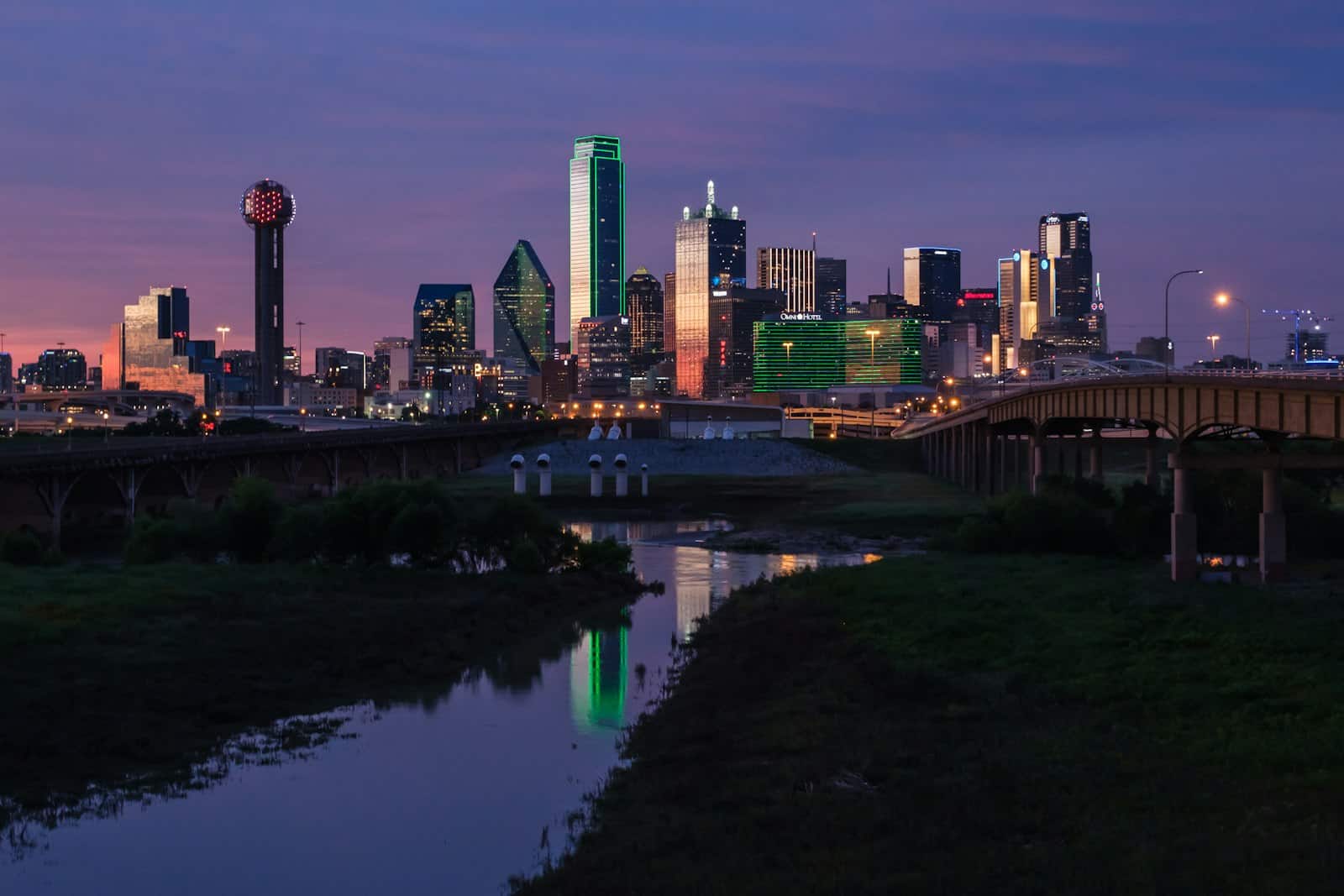
The adjustments are different from what Californians deal with. Your income tax bill doesn’t change, because you don’t have one. Your house money buys about half as much square footage. And the house it buys was probably built before your parents were born, which means the things that go wrong with it are a different list from the one you know. What you get for it is a summer you can be outside in, a yard that stays green without a sprinkler system, and a roof you’ll never file a hail claim on.
Coming up for a scouting trip? We’ll take you through five to eight homes across a few neighborhoods in one afternoon, with real repair costs on every house you see. It’s called a learning tour, and it’s the fastest way I know to figure out where you’d actually want to live.
| Category | Dallas | Seattle |
|---|---|---|
| Median sale price, all homes, city | $450,000 (3 months ending Sept 2026) | $855,000 (3 months ending Sept 2026) |
| Median price per square foot | $245 | $540 |
| Median days on market | 53 | 19 |
| Typical rent | $1,404 average asking rent (Oct 2026) | $2,106 average asking rent (Oct 2026) |
| Typical yearly property tax bill | About $7,500 to $8,000 on a $450,000 homestead at the 2025 rates, depending on the local exemptions (about $10,000 with no homestead exemption) | About $8,400 (Seattle houses sold October 2025 to September 2026) |
| Typical yearly homeowners insurance | About $5,890 | About $1,690 |
| Sales tax | 8.25% | 10.55% |
| State income tax | None | None for most households. 9.9% on household income over $1M starting in 2028 |
| State capital gains tax | None | 7% on long-term gains over the annual deduction ($278,000 for 2025), 9.9% over $1M. Home sales are exempt |
| State estate tax | None | 10% to 20% on estates over $3M |
| Annual rainfall | About 39 inches | About 39 inches |
Sources: home prices, price per square foot and days on market from Redfin’s Dallas and Seattle housing market pages (all home types, three months ending September 2026). Rents are average apartment asking rents from Apartments.com, October 2026. Dallas property tax computed from the 2025 rates for the City of Dallas, Dallas County, Parkland, Dallas College and Dallas ISD with the $140,000 school homestead exemption and the City of Dallas’s 20% homestead exemption; the range covers whether the county, hospital and college districts’ optional exemptions apply. Seattle property tax bills from our NWMLS pull of Seattle house sales, October 2025 to September 2026 (5,717 sales). Insurance from NerdWallet’s 2026 averages for a policy with $400,000 of dwelling coverage. Income and estate tax from the Tax Foundation. Rainfall from NOAA’s 1991 to 2020 climate normals.
So the median Seattle home costs about 90% more, and about 2.2 times as much per square foot. If you’re shopping for a detached house, figure on more like $993k: that was the median for detached Seattle houses that sold from July through September (our own pull of NWMLS data, 1,162 sales). The median across all of King County was $850,000 in September, per the NWMLS. A Dallas budget that bought a 2,800-square-foot house in Plano buys about 1,300 square feet here, and the game room is a basement.
Here’s the part that surprises people. Your tax and insurance bills will probably go down. Put the two together and a $450k Dallas homestead runs about $13,500 to $14,000 a year (roughly $7,500 to $8,000 in property tax and $5,900 in insurance), while a typical Seattle house runs about $10,100 (roughly $8,400 and $1,700). The Seattle insurance figure is an average for $400,000 of dwelling coverage, and a Seattle house usually needs more coverage than that plus a separate earthquake policy, so your real premium will land higher. The gap is still large, because Seattle rarely sees hail, tornadoes or 100-degree days that cook roofs. Where the Seattle premium actually shows up is the mortgage: the extra $405,000 of price, at 20% down and this week’s 7.18% average 30-year rate (Freddie Mac, November 5, 2026), is roughly $2,200 a month more in principal and interest.
Rent is the softer landing. Seattle’s average asking rent is about $700 a month more than Dallas’s, a much smaller gap than the house prices. If you don’t know the neighborhoods yet, renting for six months to a year before you buy is cheap insurance, and I’d do it through a winter.
The bigger shock is speed. Homes in the City of Dallas are taking about 53 days to sell, and the suburbs are slower (Frisco listings are going pending in about 76 days, about 3% under asking). Seattle homes are taking 19 days. You’re used to having time to think, get a second showing, and negotiate repairs after the option period. On the right Seattle house you usually don’t get that, which is a big reason we do the homework (inspection notes, repair costs, comps) before you’re standing in the living room. That said, Seattle buyers have more choice than they did a year ago: King County had 31% more listings in September than the year before.
If someone told you Washington and Texas are a wash on taxes because neither has an income tax, they’re mostly right. The property tax rate is where the two states look different, and the bill is where they look the same. Here’s the honest version.
Inside the City of Dallas, the 2025 combined rate for the city, county, Parkland, Dallas College and Dallas ISD is about 2.23% before exemptions. After the $140,000 school exemption that voters approved last November and the City of Dallas’s 20% homestead exemption, a $450k house pays about $7,500 to $8,000 a year, depending on whether the county, hospital and college districts’ optional exemptions apply to you (check your current bill). Seattle’s rate is about 0.98% of full market value, and the typical house that sold over the past year carried about $8,400. So the rate is less than half and the bill is about the same, because the house costs twice as much. Two habits to drop: Texas caps how fast a homestead’s taxable value can rise at 10% a year, and Washington has no cap. State law requires every county to revalue every property every year, so the bill follows the market. (Washington limits how fast each taxing district’s total levy can grow, so bills don’t track values one for one, but there’s no cap on your house’s number.) And the annual protest ritual is smaller here. King County has an appeal process, but most people never use it. If you want to check an assessment once you’re here, we wrote about King County assessment errors.
Washington taxes long-term capital gains at 7% above an annual deduction ($278,000 for 2025, adjusted each year for inflation), and 9.9% on gains over $1 million. Texas has nothing like it. Real estate is exempt. Stock isn’t, including the RSUs a lot of tech transplants are sitting on. If you have a big sale coming, talk to your CPA about timing before you establish Washington residency, not after. In March 2026, Washington also passed a 9.9% tax on household income above $1 million, starting with tax year 2028, and voters kept it in November 2026 by rejecting Initiative 645. If your household earns under $1 million a year, it doesn’t touch you.
Texas has no estate tax. Washington does. For deaths on or after July 1, 2026, the first $3 million is excluded and the rate on the rest runs from 10% to 20%. A paid-down Seattle house plus retirement accounts gets to $3 million faster than people expect, so update your estate plan when you move. Sales tax goes up a bit: 10.55% in Seattle versus 8.25% in Dallas, and you’ll notice it on the car, the furniture and the appliances, which is to say right after you move.
This one catches self-employed Texans off guard. Washington has no income tax, but it does have a business and occupation (B&O) tax, charged on gross receipts rather than profit. If you’re a contractor or consultant earning $12,000 or more a year, the Department of Revenue expects you to register and file. A small business credit wipes out the tax for a lot of solo operators, but you still have to register to get it. Seattle also requires its own business license, and starting in 2026 Seattle’s own B&O tax doesn’t kick in until $2 million in revenue. Worth a call to a Washington CPA early.
| If you liked | Start with | Why |
|---|---|---|
| Uptown or Victory Park | South Lake Union or Belltown | New high-rises, a short walk to the office towers, and the city’s densest cluster of new apartments |
| Deep Ellum | Capitol Hill (Pike/Pine) | Music venues, bars, murals and late nights, with a light rail station in the middle of it |
| Lower Greenville, the M Streets or Lakewood | Wallingford, Ravenna or Green Lake | 1920s houses on a walkable grid, a restaurant row nearby, and Green Lake’s loop trail in place of White Rock Lake |
| Bishop Arts or Kessler Park (Oak Cliff) | Columbia City, Beacon Hill or the West Seattle Junction | An older commercial strip that came back on its own terms, with a mix of housing and prices the north end lost years ago |
| Highland Park or University Park | Madison Park or Laurelhurst | Established, close to downtown, big older houses on quiet streets, and a lake at the end of them |
| Preston Hollow | Broadmoor, The Highlands or Medina | Big lots, privacy and the region’s highest prices, inside the city or just across the lake |
| Southlake or Colleyville | Mercer Island or Clyde Hill | Top-rated schools, bigger lots, and ten minutes to the big employers |
| Las Colinas or the Richardson Telecom Corridor | Downtown Bellevue or Redmond | The office parks that turned into cities, now with light rail to Seattle |
| Plano, Frisco, McKinney or Allen | Sammamish, Issaquah, Bothell or Mill Creek | Newer houses, highly rated school districts, and a 20 to 40 minute drive to the tech campuses |
| Fort Worth’s Near Southside | Ballard or Georgetown | An old working district with breweries, a Sunday market and its own identity apart from downtown |
One warning: Seattle neighborhoods change block to block, partly because of the hills and partly because of the age of the houses. There are almost no master-planned communities inside the city, no HOA that keeps the whole street looking the same, and no guarantee the house next door was built in the same decade as yours. Two houses six blocks apart in the same neighborhood can be completely different purchases. That’s why we start new clients with a learning tour before anyone writes an offer.
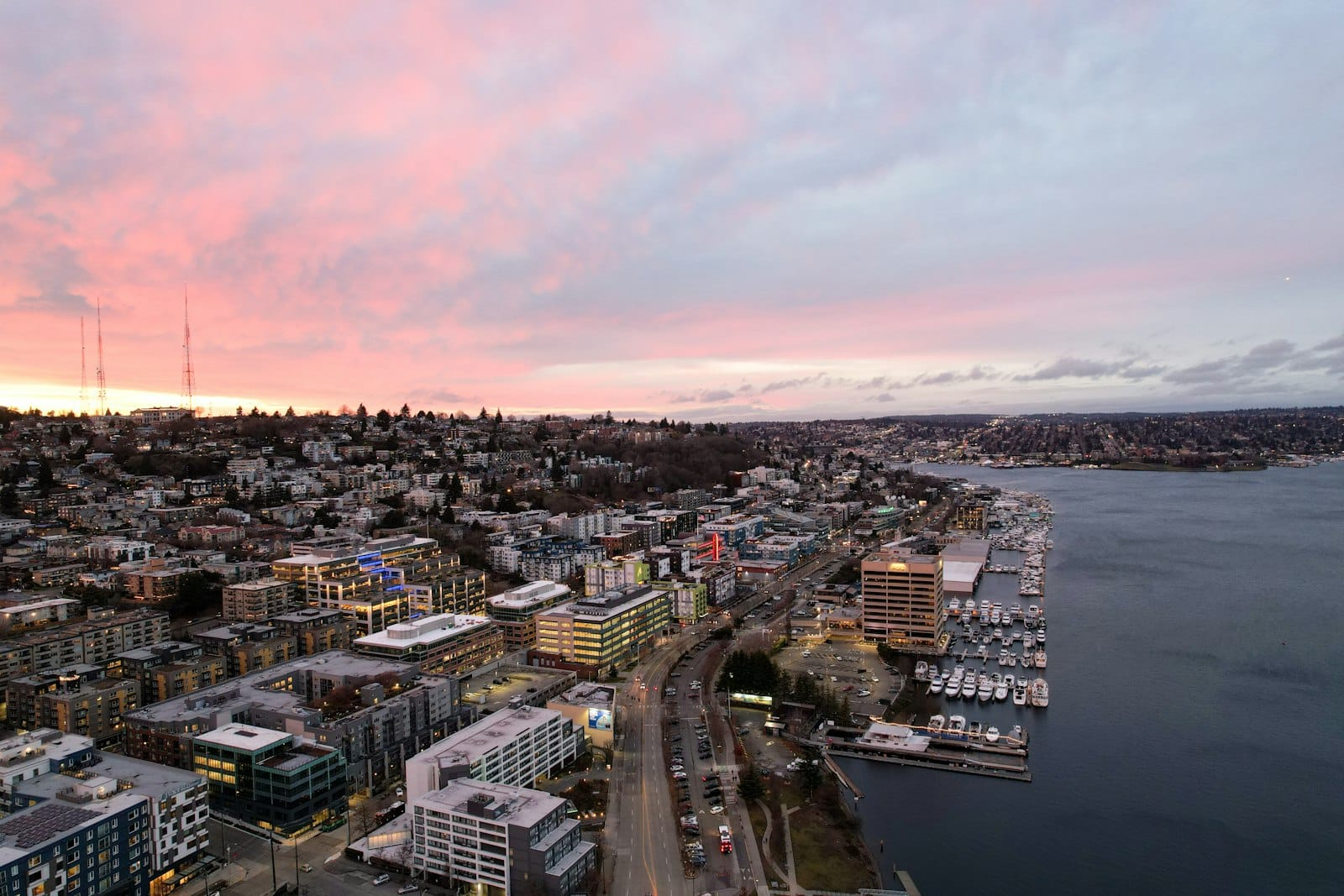
This is the section I’d read twice. Among the detached houses that sold in Seattle from July through September 2026, the median one was built in 1945, about 39% were built before 1940, and 72% before 1960 (our NWMLS pull, 1,162 sales). If your Dallas house is brick veneer on a slab, built after 1980, with a roof that’s been replaced after a hailstorm, almost everything about a Seattle house will be new: a basement or a crawl space, a wood frame that’s been wet for 80 winters, galvanized or clay pipes, and in some houses the oil tank that used to heat the place, buried in the yard. (Our decade-by-decade guide to Seattle homes covers what each era tends to have.) New construction exists, but it’s mostly townhouses in the city and single-family in the far suburbs, and it carries a premium.

You already know how to worry about a foundation. North Texas sits on Blackland Prairie clay that swells when it’s wet and shrinks when it’s dry, and most of you have paid for piers or know someone who has. Seattle’s soil doesn’t do that. What Seattle’s foundations do is sit in water. The problems here are drainage, a wet crawl space, and a side sewer line that’s older than the Interstate system. Here’s what the usual suspects cost, from our construction company’s billed jobs where we have them and current Seattle contractor pricing where we don’t:
| What older Seattle houses often need | What it usually costs |
|---|---|
| Side sewer (the pipe from the house to the street) | Spot repair $1.95k to $8k. Full replacement $10k to $24k (trenchless $4.25k to $15.5k) |
| Knob-and-tube wiring | Whole-house rewire $25k to $35k. Targeted replacement $4.5k to $12k |
| Buried heating oil tank | Decommission in place about $700 to $5k. Full removal $5k to $15k, before any soil cleanup |
| Earthquake retrofit (bolting and bracing a crawl space or unfinished basement) | About $5k to $12k |
| Air conditioning with a ductless heat pump | One zone $3.5k to $6k. Whole-house multi-zone systems ran about $27k and $41k on two of our remodels |
| New asphalt roof | $19k to $26k on our jobs |
| 200-amp electrical panel | $3k to $6k |
None of these is a reason to skip an old house. They’re reasons to read the inspection for dollars. Get the sewer scoped on video on every house. Ask whether the house ever heated with oil. Look at drainage around the foundation and in the crawl space, because that’s where Seattle’s rain shows up first. A Seattle home inspection will flag most of this, and we price the big items on the spot when we tour, because that’s the number that should move your offer.
Air conditioning and sprinkler systems are missing from the table on purpose. Air conditioning: about 53% of Seattle-area homes had it in 2021, per the Census Bureau’s American Housing Survey, and most of the older houses on your tour won’t. You can live without it most years, and a ductless heat pump fixes it when you can’t. Sprinklers: almost nobody has them, because the lawn waters itself nine months a year and goes brown for the other three. People here let it.
Earthquakes are new, and they’re the one risk category you’re trading hail and tornadoes for. Besides local faults like the Seattle Fault, the region sits near the Cascadia Subduction Zone offshore, which can produce a very large, long-shaking quake. Older houses that aren’t bolted to their foundations are the ones that slide, and the retrofit is in the table above. Earthquake coverage is something you add to your homeowners policy or buy separately, and the deductible typically runs 10% to 25% of the coverage on the house, according to the Washington Insurance Commissioner. Get the quote before you close and decide with real numbers. Even with it, your total insurance bill will almost certainly be lower than it was in Dallas.
Here’s the number nobody from Dallas believes: your city and this one get the same amount of rain. Dallas gets it in about 82 days, a lot of it in spring thunderstorms that drop two inches in an afternoon. Seattle gets it in about 156 days, mostly as drizzle you can bike in.

| Normal year | Dallas | Seattle |
|---|---|---|
| Rain | 39.3 inches | 39.3 inches |
| Days with measurable rain | About 82 | About 156 |
| Average July high | 96.9°F | 77.4°F |
| Average January low | 37.9°F | 37.7°F |
| Hail days | Two or three a year | Rare, and small when it happens |
| Daylight on December 21, 2026 | 9 hours 59 minutes | 8 hours 26 minutes |
Sources: NOAA 1991 to 2020 climate normals (Dallas Love Field, Sea-Tac Airport for Seattle). Dallas hail frequency from the National Weather Service via Wikipedia’s climate summary. Daylight from sunrise-sunset.org.
Winter nights are a tie, which surprises people too: the January low is 38 in both cities. The difference is what the days do. A Dallas January afternoon gets back to the upper 50s. A Seattle one stays in the mid-40s and gray. The ice storm that shuts Dallas down for three days every couple of winters has a cousin here: Seattle gets a few inches of snow most winters, and because the city is built on hills, it shuts down just as thoroughly.
The light is the bigger adjustment. Around the winter solstice, Seattle gets about eight and a half hours of daylight, an hour and a half less than Dallas, and plenty of those hours are gray. People who move here from Texas talk about the dark more than the rain. A good lamp and a winter trip somewhere sunny do a lot of work here.
Now the good news, which you don’t need me to sell. Seattle summers are dry, sunny, mid-70s, with long evenings, and in late June the sun doesn’t set until after 9 p.m. Seattle usually sees no days at or above 100°F, and a few in a hot year. You will not run from your car to your front door in August. Your yard stays green most of the year without a sprinkler system. And you’ll be surprised how often the house is comfortable with the windows open, which is why so many of them never got air conditioning.
The average commute in the Dallas-Fort Worth metro is 28.8 minutes. In the Seattle metro it’s 30 (Census Reporter, ACS 2024). The difference is the map. DFW is a grid of freeways and tollways that runs for an hour in every direction, and a 30-mile commute is normal. Seattle has two north-south freeways, two floating bridges across Lake Washington, and hills and water in between, so a 10-mile commute can take as long as your 30 did. Your commute depends more on which side of the lake you’re on than how many miles it is.
Transit is where Seattle pulls ahead, by riders if not by miles. DART runs four light rail lines on 119 miles of track with 73 stations, plus the Silver Line commuter rail that opened in October 2025 between DFW Airport and Plano. About 60,900 people ride the light rail on a weekday. Link light rail runs 63 miles with 51 stations, and since March 28, 2026 the 2 Line crosses Lake Washington, connecting Seattle with Mercer Island, Bellevue and Redmond. It runs underground through downtown and Capitol Hill, and the stations sit in neighborhoods where people actually live. Extensions to West Seattle and Ballard are planned for the 2030s (we have opinions about Ballard’s). The bus network does a lot more work here than DART’s, and plenty of our Capitol Hill clients use their cars less than once a week.
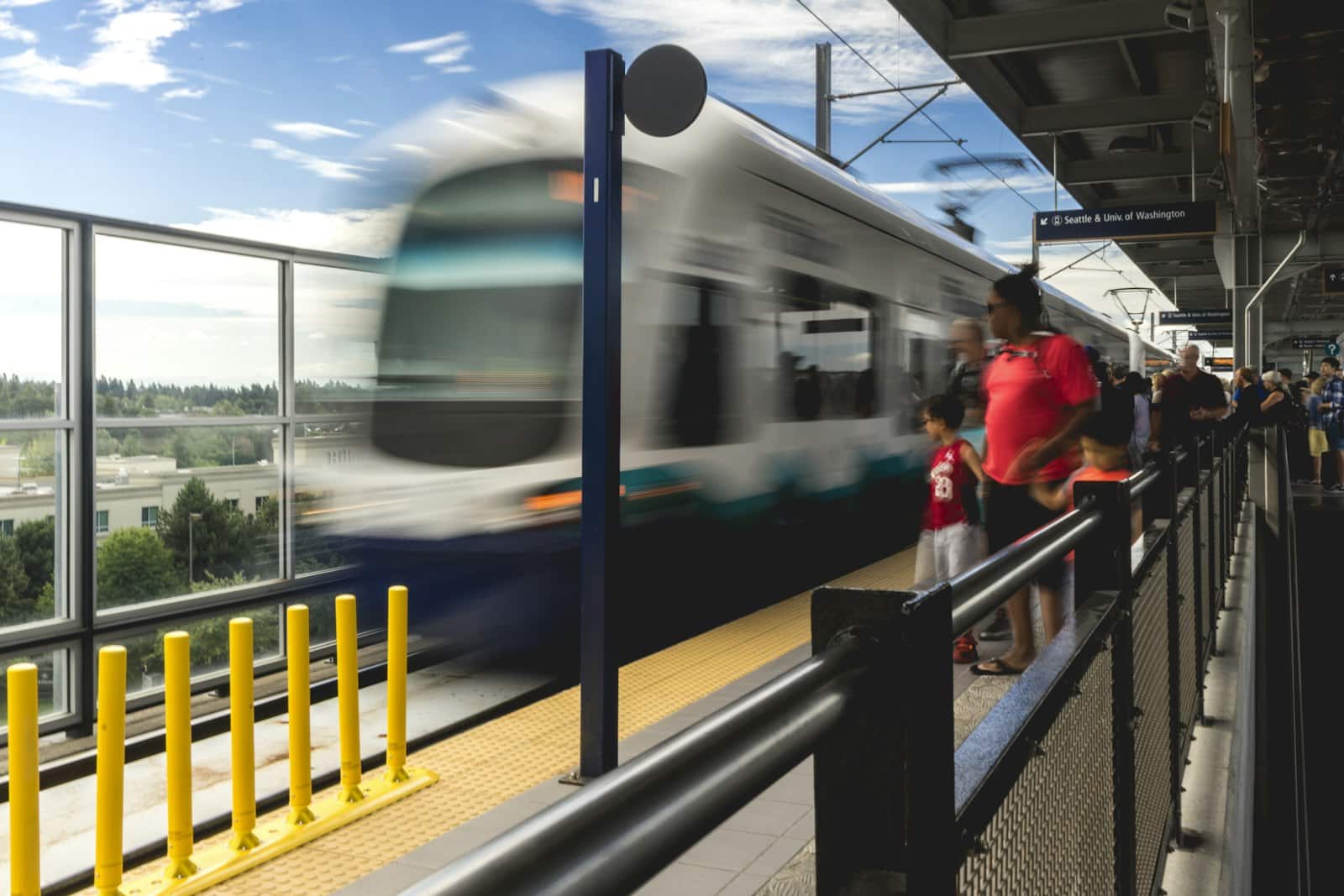
If you’ll drive across the lake, I-90 is free and SR 520 is tolled in both directions: as of October 2026, up to $4.90 at weekday rush hour with a Good To Go pass and $6.90 if they mail you the bill. Your TollTag doesn’t work here. Good To Go is the Washington equivalent, and it also covers the SR 99 tunnel under downtown and the express lanes on I-405. One more thing: Dallas is two hours ahead of Seattle all year, so a 9 a.m. call with the Dallas office is a 7 a.m. call for you.
If you’re transferring with Amazon, Microsoft or another big employer, you already know the address. If you’re moving without a job lined up, be careful. Dallas-Fort Worth has 24 Fortune 500 headquarters spread across banking, airlines, telecom, defense and health care, so a layoff in one industry rarely empties the whole job market. Seattle tilts hard toward a few very large tech employers, and it’s been a rough few years for them. By our count, King and Snohomish counties added about 42,000 tech jobs from late 2019 to August 2022, then lost about 29,000 of them by early 2025. (We dug into what that’s doing to Eastside home prices in this post.) Seattle’s non-tech anchors are Boeing and the companies around it, the Port, the University of Washington and the hospitals. My advice either way: get the offer letter before you sign a purchase agreement.
For schools, if you’re used to Texas’s open-enrollment transfers and the Plano, Frisco and Highland Park ISDs being the whole reason a house costs what it does, the Seattle version is a little less stark. Seattle Public Schools assigns by address, and the Eastside cities have their own districts (Bellevue, Lake Washington for Kirkland and Redmond, Mercer Island, Issaquah and Northshore). Boundaries don’t follow neighborhood names, so check the district’s boundary lookup for the exact address before you offer.
A lot of families moving here rule out Seattle Public Schools on reputation alone and head straight for the Eastside, the way Dallas families head for Plano. I think that’s often a mistake, and we wrote about why Seattle’s schools are better than their reputation. If you’re buying for the long haul, our post on Seattle’s sleeper schools covers the ones we think will improve the most.
Driver’s license. State law gives you 30 days after you move to get a Washington driver’s license, and you need it before you can register your car here.
Car registration. New residents also have 30 days to register their vehicles in Washington. No emissions test and no annual safety inspection: Washington ended its emissions program in 2020. In King County the bill includes Sound Transit and transit fees, so expect more than you’re used to paying.
Register to vote. Washington votes entirely by mail, so register at your new address and the ballot comes to you. Then cancel your Texas registration.
Move the rest of your life. Change your address with your bank, brokerage and employer, and move your doctors when you can. There’s no state withholding to start or stop, which makes this one easier than it is for most people.
Good To Go pass. If you’ll cross SR 520, use the SR 99 tunnel or the express toll lanes on 405, set up a Good To Go account before your first trip. Pay-by-mail costs $2 more per crossing on 520.
Fall maintenance. Gutters and roof moss are an annual thing here, which replaces the spring hail inspection. Gutter cleaning runs about $200 to $500 and roof moss removal about $500 to $800 from Seattle companies. You’ll never again stand in the driveway after a storm counting dents in the car. You will stand on a ladder in November.
Texas is a landlord-friendly place to own a rental, there’s no state income tax on the rent, and if you bought before 2022 your mortgage rate is probably low enough that the rent covers the payment. Plenty of people in your spot keep the house.
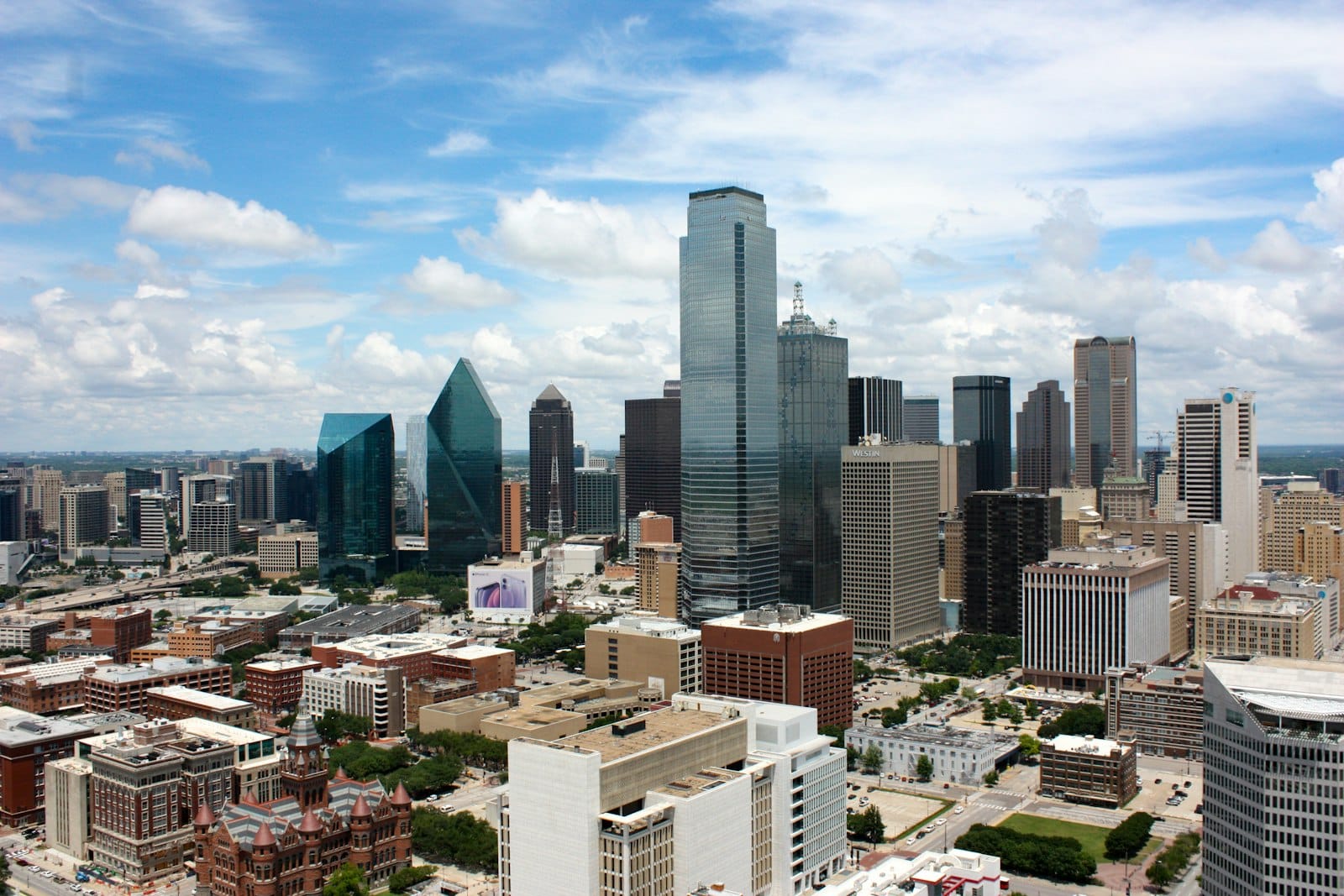
Before you do, here’s what keeping it means. The first thing you lose is the homestead exemption. Texas law lets you keep it through a temporary absence of under two years only if you intend to come back and haven’t made another place your principal residence, and a house in Seattle is another place. On a $450k house, losing the exemption takes the tax bill from about $7,500 to $8,000 up to about $10,000 a year, and the 10% cap on taxable value goes with it, so the appraisal district can mark the house to market in one step. Then the federal piece: the capital gains exclusion on your home sale requires that you lived there two of the last five years, so you have roughly three years after moving out before that window closes. And you’ll be managing a property from 2,000 miles away in a market where homes are taking 53 days to sell, so if you ever need to get out quickly, you won’t. None of that makes it a bad idea. It means you should run the numbers with a CPA before you decide.
If you sell, timing matters. Dallas homes are taking about 53 days to sell and Seattle homes about 19, so your Dallas sale will probably take longer than your Seattle purchase. Offers contingent on selling another house are hard to win on Seattle houses that are drawing multiple offers. Most people in your spot either sell first and rent here for a bit, or line up a bridge loan with a lender who does them. Condos are the exception: King County had 7 months of condo inventory in September, so a condo buyer has more room to negotiate. (Our guide to the main loan types is a decent primer before you call a lender.) One small bonus on the Washington side: the transfer tax here (the real estate excise tax) is paid by the seller, so it won’t come up when you buy.
Buy or rent here? If you know where you’ll work and you’ve spent real time in a couple of neighborhoods, I think buying soon makes sense, because buyers have more room now than they did in 2025. If you don’t know the neighborhoods yet, rent for six months to a year, through a winter, and see whether the dark bothers you before you commit. If this is your first old house, our list of first-time buyer mistakes is worth a read even if it isn’t your first house.
For housing, a lot. The median home in Seattle sold for about $855,000 over the three months ending in September 2026, versus about $450,000 in the City of Dallas, and Seattle costs about 2.2 times as much per square foot ($540 versus $245). Rents are about $700 a month higher. Sales tax is higher (10.55% versus 8.25%). Property tax and home insurance, taken together, are usually lower.
The rate is much lower in Seattle (about 0.98% of market value versus about 2.23% in the City of Dallas before exemptions), but the house costs twice as much, so the bills land in the same range: about $8,400 on a typical Seattle house versus about $7,500 to $8,000 on a $450,000 Dallas homestead. Washington has no 10% cap on assessed value and revalues every property every year.
Yes, by a lot. NerdWallet’s 2026 averages for a policy with $400,000 of dwelling coverage are about $5,890 a year in Dallas and about $1,690 in Seattle. Seattle houses usually need more coverage than that, and earthquake coverage is a separate policy, so budget higher than $1,690. It will still be far less than Dallas.
Not on wages, same as Texas. Washington does tax long-term capital gains above an annual deduction ($278,000 for 2025) at 7%, and 9.9% over $1 million, with home sales exempt. Starting in 2028 there’s a 9.9% tax on household income over $1 million. Washington also has an estate tax on estates over $3 million, which Texas doesn’t.
Not in inches. Both cities average about 39 inches a year. Seattle spreads it over about 156 days as light drizzle from October through May, while Dallas gets it in about 82 days, often as heavy spring storms. Seattle’s summers are dry and sunny.
Not the same kind. Seattle doesn’t have North Texas’s expansive clay, so pier repairs are uncommon. The Seattle problems are water: drainage around the foundation, wet crawl spaces and old side sewer lines. Sewer replacement runs about $10,000 to $24,000, and an earthquake retrofit on an unbolted older house about $5,000 to $12,000.
Wallingford, Ravenna or Green Lake: 1920s houses on a walkable grid, a restaurant row nearby, and Green Lake’s loop trail standing in for White Rock Lake. If what you liked was Deep Ellum, start with Capitol Hill. If it was Highland Park, start with Madison Park or Laurelhurst.
Most people have one, though fewer than in Dallas. In Capitol Hill or near a Link station, a lot of people get by with one car or none. Since March 2026, light rail connects Seattle with Bellevue and Redmond. Your TollTag won’t work here; the Washington pass is called Good To Go.
Maybe. Texas is an easy state to be a landlord in and there’s no income tax on the rent, but once you move you lose the homestead exemption (about $2,000 to $2,500 a year more in property tax on a $450,000 house) and the 10% appraisal cap, and after roughly three years as a rental you can lose the federal home sale exclusion. Run the numbers with a CPA first.
If you’re planning a scouting trip, tell us when you’ll be in town and what you’re curious about. We’ll set up a learning tour across the neighborhoods that fit, with real cost numbers on the houses you see.
Coming from somewhere else? Start with our guide to moving to Seattle, which covers who moves here and what to expect wherever you’re coming from.
Disclaimer: This article is general information, not legal, tax or financial advice. Tax rules, ballot measures and market numbers change, and costs vary by house. Talk with your own CPA, attorney, inspector and contractor before making decisions.