Moving to Seattle from New York: What to Know (2026 Guide)
- Ryan Palardy,
- November 4, 2026



Your paycheck goes a lot further, your housing dollar goes a little further, and you’ll probably end up in a house instead of an apartment. The median home in New York City sold for about $900k over the three months ending in September 2026, at $623 per square foot. In Seattle it was about $855k, at $540 per square foot, and rents here run about half of New York’s. Washington has no state or city tax on wages, and a New York City resident pays up to 14.8% combined. The catches: New York may keep taxing you if you keep a New York employer and work from Seattle, Washington taxes big capital gains and estates over $3 million, transit here is a fraction of the subway, and the winter is milder than yours but a lot darker. Summer is better. By a lot.
New Yorkers have the most to unlearn of anyone we work with. Most of what you know about buying (attorneys, board packages, 10% deposits, two-month closings) doesn’t apply here, and most of what you don’t know (roofs, sewers, furnaces, earthquakes) suddenly does. The good news is that the Seattle version of buying is simpler, cheaper to close, and a lot faster.
You’d have company, though not a landslide of it. In the most recent IRS migration data (tax filings from 2022 to 2023), about 2,670 people moved from the New York City area to King County, and about 2,750 went the other way. That makes New York the second-biggest single metro source of new King County residents after Los Angeles (the Bay Area is bigger if you count its three metros as one), and one of the few big, expensive metros that takes back about as many people as it sends.
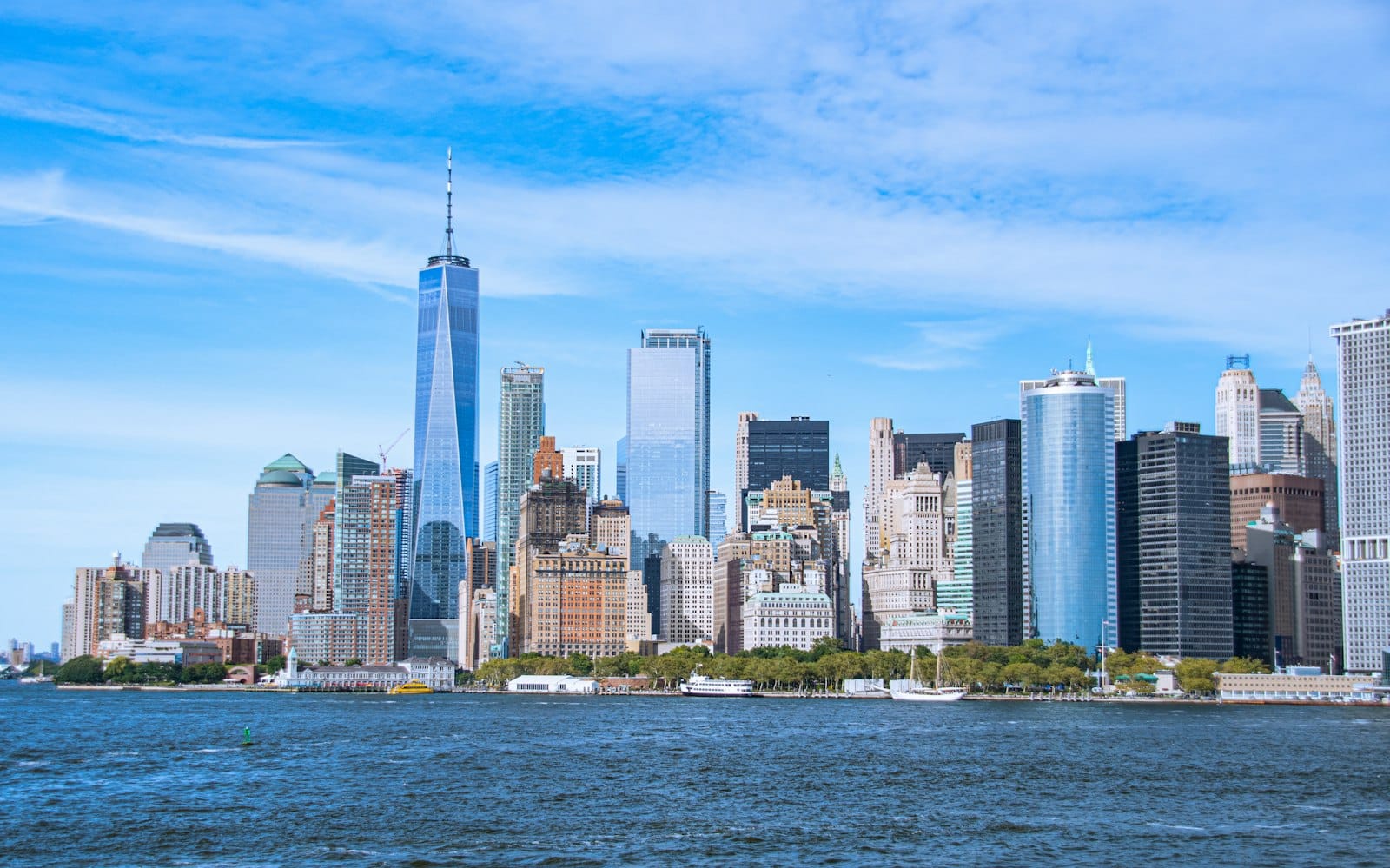
Coming up for a scouting trip? We’ll take you through five to eight homes across a few neighborhoods in one afternoon, with real repair costs on every house you see. It’s called a learning tour, and it’s the fastest way I know to figure out where you’d actually want to live.
| Category | New York City | Seattle |
|---|---|---|
| Median sale price, all homes, city | $899,572 (3 months ending Sept 2026) | $855,000 (3 months ending Sept 2026) |
| Median price per square foot | $623 | $540 |
| Median days on market | 58 | 19 |
| Typical rent | $4,217 average asking rent (Oct 2026) | $2,106 average asking rent (Oct 2026) |
| Effective property tax rate | About 0.69% in Brooklyn and 0.79% in Queens, with caps on how fast assessments can rise | About 0.98% (City of Seattle median), on a new market value every year |
| Sales tax | 8.875% | 10.55% |
| State and city income tax | State up to 10.9%, plus city up to 3.876% | None for most households. 9.9% on household income over $1M starting in 2028 |
| State capital gains tax | Taxed as regular income | 7% on long-term gains over the annual deduction ($278,000 for 2025), 9.9% over $1M. Home sales are exempt |
| State estate tax | Up to 16% on estates over $7.35M, with a cliff | 10% to 20% on estates over $3M |
| Annual rainfall | About 50 inches | About 39 inches |
Sources: home prices, price per square foot and days on market from Redfin’s New York and Seattle housing market pages (all home types, three months ending September 2026). Rents are average apartment asking rents from Apartments.com, October 2026. Effective property tax rates from Ownwell (updated April 2026). Income tax rates from the Tax Foundation and the 2025 Form IT-201 instructions. Rainfall from NOAA’s 1991 to 2020 climate normals.
The medians are closer than people expect, because New York’s median is mostly apartments and Seattle’s includes a lot of houses. Per square foot, Seattle is about 13% cheaper. If you’re shopping for a detached house, figure on more like $993k: that was the median for detached Seattle houses that sold from July through September (our own pull of NWMLS data, 1,162 sales). What that buys is the part that surprises Brooklyn and Queens buyers: a three-bedroom house with a basement, a yard and a driveway, in a neighborhood where you can still walk to coffee. The median across all of King County was $850,000 in September, per the NWMLS.
Rent is where the gap is enormous. The average asking rent in New York is about $2,100 a month higher than in Seattle. If you rent here for six months before you buy, which I usually recommend for people who don’t know the neighborhoods, you’ll bank a five-figure head start on the down payment while you look.
The other big difference is speed. New York homes are taking about 58 days to sell. Seattle homes are taking 19, and the good ones go faster. You’re used to an accepted offer being the start of a process. Here it’s close to the end of one: the offer is the contract, and on a house with multiple offers you often get one shot at it. That’s a big reason we do the homework (inspection notes, repair costs, comps) before you’re standing in the living room. That said, Seattle buyers have more choice than they did a year ago: King County had 31% more listings in September than the year before.
This is the section most New York transplants care about, and it has more fine print than California’s does. The headline is real: Washington doesn’t tax wages, and a New York City resident pays state tax of up to 10.9% plus city tax of up to 3.876%. For a married couple earning between about $323,000 and $2.15 million, the state rate is 6.85% and the city rate is 3.876%, so a bit over 10 cents of every additional dollar. Here are the four things I’d want every New Yorker to understand before the moving truck shows up.
New York has a rule called the convenience of the employer rule. If your assigned office is in New York and you work from home somewhere else for your own convenience, New York counts those days as New York workdays and taxes the wages. Your home office in Seattle only counts as a non-New York day if it qualifies as a bona fide employer office, which is a hard test to meet (special facilities, the employer’s business purpose for an office in Seattle, and so on). Washington can’t give you a credit for the New York tax, because Washington has no income tax to credit it against.
So if your plan is to keep your New York job and work remotely from Seattle, your paycheck may look exactly like it does today, minus the city tax. The fix, where it exists, is to have your employer assign you to a Seattle office in its records. Plenty of New York employers have one. If yours doesn’t, talk to a CPA who does multistate work before you commit to the plan, not after the first paycheck.
New York decides whether you’re still a resident two ways. The first is domicile, which is your permanent home, and New York’s position is that your domicile doesn’t change until you can show you abandoned it and set up a new one. The second is the statutory residency test: if you keep a permanent place of abode in New York and spend 184 days or more in the state in a year, you’re a New York resident for that year no matter where your license says you live, and any part of a day counts. Keeping the apartment and flying back for the office two weeks a month is how people end up in a residency audit. In the year you move, you’ll file a part-year resident return (Form IT-203) that splits your income between the two states.
Stock comp follows a similar logic. New York allocates RSUs and options by workdays from the grant date to the vesting date, so the share of a grant you earned while working in New York stays taxable in New York even if it vests after you move.
Washington has no tax on wages, but it does tax long-term capital gains: 7% on gains above an annual deduction ($278,000 for 2025, adjusted each year for inflation) and 9.9% on gains over $1 million. Real estate is exempt. Stock isn’t. In March 2026, Washington also passed a 9.9% tax on household income above $1 million, starting with tax year 2028, and voters kept it in November 2026 by rejecting Initiative 645. If your household earns under $1 million a year, it doesn’t touch you. Even at the top, 9.9% on the part over $1 million is well below what New York charges.
The estate tax is the one that bites New Yorkers. New York exempts the first $7.35 million for deaths in 2026 (with a cliff: go about 5% over and the whole estate is taxed). Washington exempts $3 million for deaths on or after July 1, 2026, and the rate on the rest runs from 10% to 20%. If your estate is between $3 million and $7 million, you’re moving from a state that wouldn’t tax it to one that will. A paid-off Seattle house plus retirement accounts gets there faster than people expect, so update your estate plan when you move.
If you own a house in Brooklyn or Queens, your effective property tax rate is probably somewhere around 0.7% to 0.8%, and New York City caps how fast a one- to three-family home’s assessed value can rise: no more than 6% a year or 20% over five years. Washington has no cap. State law requires every county to revalue every property every year, and Seattle’s effective rate is about 0.98%. So a $900k Brooklyn house at 0.69% is about $6,200 a year, and an $855k Seattle home at 0.98% is about $8,400. If you’re coming from Westchester, Long Island or New Jersey instead, where property tax bills are among the highest in the country, Seattle will feel like a break. If you own a co-op or condo, your share of the building’s tax has been hiding inside your maintenance or common charges, so you’ve never seen the bill. You’ll get one here, twice a year.
Closing costs run the other way. New York City charges a mortgage recording tax of 1.8% of the loan under $500,000 and 1.925% at or above it, and a mansion tax that starts at 1% on purchases of $1 million or more and climbs to 3.9% at the top. Washington has neither. Washington’s transfer tax (the real estate excise tax) is paid by the seller, so it won’t come up when you buy here. Sales tax is the one everyday number that’s higher: 10.55% in Seattle versus 8.875% in the city, and Washington taxes clothing.
New York City’s 4% unincorporated business tax goes away. Washington has no income tax, but it does have a business and occupation (B&O) tax, charged on gross receipts rather than profit. If you’re a contractor or consultant earning $12,000 or more a year, the Department of Revenue expects you to register and file. A small business credit wipes out the tax for a lot of solo operators, but you still have to register to get it. Seattle also requires its own business license, and starting in 2026 Seattle’s own B&O tax doesn’t kick in until $2 million in revenue. Worth a call to a Washington CPA early.
| If you liked | Start with | Why |
|---|---|---|
| Park Slope, Carroll Gardens or Fort Greene | Queen Anne or Wallingford | Older houses on tree-lined streets, a small main street you can walk to, playgrounds, and a short trip downtown |
| Williamsburg, Bushwick or the Lower East Side | Capitol Hill | Dense, walkable, late nights, live music, the center of the city’s LGBTQ community, with a light rail station on Broadway |
| The Upper West Side or Brooklyn Heights | Madison Park or North Capitol Hill | Established and close in, next to a big park (the Arboretum stands in for Central Park), with water at the end of the street |
| Astoria or Jackson Heights | Columbia City or Beacon Hill | Diverse neighborhoods with the best food on their main streets, more house for the money, and light rail into downtown |
| Harlem or Bed-Stuy | Central District | Close to downtown, with brick apartment buildings and Craftsman houses on the same blocks, and a lot of new construction mixed in |
| Long Island City or DUMBO | Belltown or South Lake Union | New high-rises near the water, a walk to the Amazon campus, and most of your neighbors arrived in the last ten years |
| Hoboken or Jersey City | West Seattle | Its own place across the water, with a water taxi into downtown, Alki Beach and a small-town main street |
| Scarsdale, Garden City or Montclair | Mercer Island or Bellevue | Top-rated schools, bigger lots and yards, about 20 minutes to downtown, and prices to match |
One warning: Seattle neighborhoods change block to block, partly because of the hills and partly because of the age of the houses. Two houses six blocks apart in the same neighborhood can be completely different purchases, the way two brownstones on the same block can be. And “walkable” is a smaller word here. In a good Seattle neighborhood it means a coffee shop, a grocery store and a few restaurants within ten minutes on foot. If you’ve been walking to a hundred storefronts, adjust your expectations before you tour. That’s why we start new clients with a learning tour before anyone writes an offer.
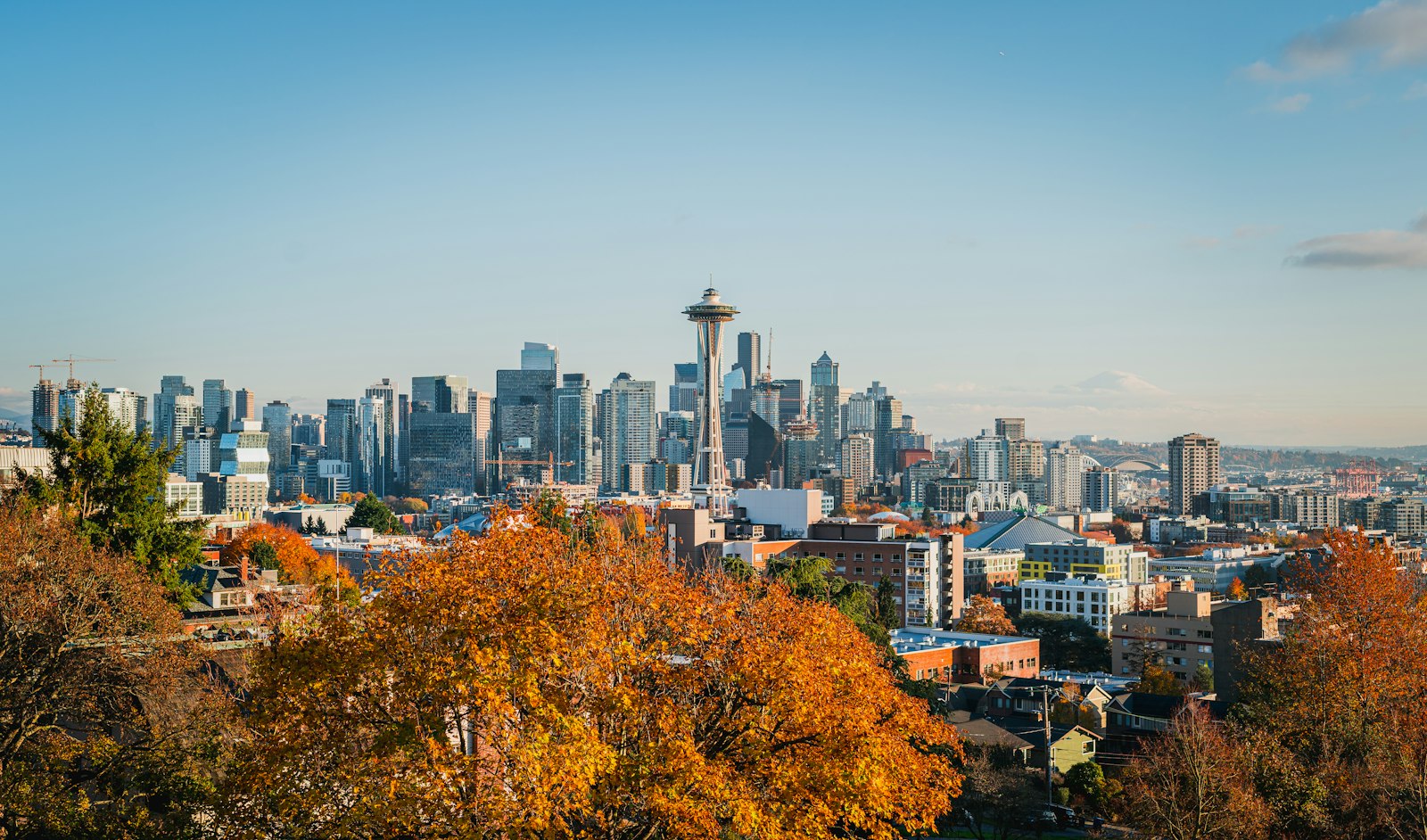
If you’ve been living in an apartment, this is the section I’d read twice. Among the detached houses that sold in Seattle from July through September 2026, the median one was built in 1945, about 39% were built before 1940, and 72% before 1960 (our NWMLS pull, 1,162 sales). If you own a brownstone, none of that is scary. If your building had a super, all of it is now your job: the roof, the furnace, the pipe that runs from the house to the sewer main, the gutters, and whatever the rain is doing to the basement. Some of these houses still have the oil tank that used to heat the place, which Long Islanders will recognize and Manhattanites won’t. (Our decade-by-decade guide to Seattle homes covers what each era tends to have.)

Here’s what the usual suspects cost, from our construction company’s billed jobs where we have them and current Seattle contractor pricing where we don’t:
| What older Seattle houses often need | What it usually costs |
|---|---|
| Side sewer (the pipe from the house to the street) | Spot repair $1.95k to $8k. Full replacement $10k to $24k (trenchless $4.25k to $15.5k) |
| Knob-and-tube wiring | Whole-house rewire $25k to $35k. Targeted replacement $4.5k to $12k |
| Buried heating oil tank | Decommission in place about $700 to $5k. Full removal $5k to $15k, before any soil cleanup |
| Earthquake retrofit (bolting and bracing a crawl space or unfinished basement) | About $5k to $12k |
| Air conditioning with a ductless heat pump | One zone $3.5k to $6k. Whole-house multi-zone systems ran about $27k and $41k on two of our remodels |
| New asphalt roof | $19k to $26k on our jobs |
| 200-amp electrical panel | $3k to $6k |
None of these is a reason to skip an old house. They’re reasons to read the inspection for dollars. Get the sewer scoped on video on every house. Ask whether the house ever heated with oil. Look at drainage around the foundation and in the crawl space, because that’s where Seattle’s rain shows up first. A Seattle home inspection will flag most of this, and we price the big items on the spot when we tour, because that’s the number that should move your offer.
Earthquakes are new. Besides local faults like the Seattle Fault, the region sits near the Cascadia Subduction Zone offshore, which can produce a very large, long-shaking quake. Older houses that aren’t bolted to their foundations are the ones that slide, and the retrofit is in the table above. Earthquake coverage is something you add to your homeowners policy or buy separately, and the deductible typically runs 10% to 25% of the coverage on the house, according to the Washington Insurance Commissioner. Get the quote before you close and decide with real numbers.
New Yorkers get a better trade than most transplants. You give up some winter sun and get back the whole summer.

| Normal year | Central Park | Seattle |
|---|---|---|
| Rain | 49.5 inches | 39.3 inches |
| Days with measurable rain | About 125 | About 156 |
| Snow | About 30 inches | About 6 to 8 inches |
| Average July high | 84.9°F | 77.4°F |
| Average January low | 27.9°F | 37.7°F |
| Daylight on December 21, 2026 | 9 hours 15 minutes | 8 hours 26 minutes |
Sources: NOAA 1991 to 2020 climate normals (Central Park, Sea-Tac Airport for Seattle). Daylight from sunrise-sunset.org.
Read the rain rows carefully, because they say the opposite of what everyone assumes. New York gets more rain than Seattle, about ten inches more a year. Seattle just spreads less of it over more days: light, steady drizzle from roughly October through May, instead of your thunderstorms and nor’easters. Umbrellas are optional (most locals skip them). Rain jackets are not. Snow is rare enough that the city shuts down when it comes, which happens about once a winter.
Winter is milder. A normal January night here is 38 degrees, and you can skip the ice scraper. What you’ll notice instead is the dark. Around the winter solstice, Seattle gets about eight and a half hours of daylight, almost an hour less than New York, and plenty of those hours are gray. A good lamp and a winter trip somewhere sunny do a lot of work here.
Then there’s summer, which is the best thing about living here and the thing transplants mention most. Dry, sunny, mid-70s, no humidity, and the sun doesn’t set until after 9 p.m. in late June. Nobody here has a window unit dripping on the sidewalk. The flip side is that many houses weren’t built for hot spells. About 53% of Seattle-area homes had air conditioning in 2021, per the Census Bureau’s American Housing Survey, and Seattle does get hot a few days a year (the 2021 heat dome hit 108°F at Sea-Tac). If you sleep hot, budget for a heat pump (see the table above), and get the quote in spring.
This is the adjustment New Yorkers underestimate. The subway has 472 stations and runs all night. Link light rail has 51 stations on two lines, runs 63 miles, and doesn’t run overnight. Since March 28, 2026 the 2 Line crosses Lake Washington to Mercer Island, Bellevue and Redmond, and extensions to West Seattle and Ballard are planned for the 2030s (we have opinions about Ballard’s). It’s good at what it does. It just doesn’t go most places yet, and buses do more of the work here than you’re used to.
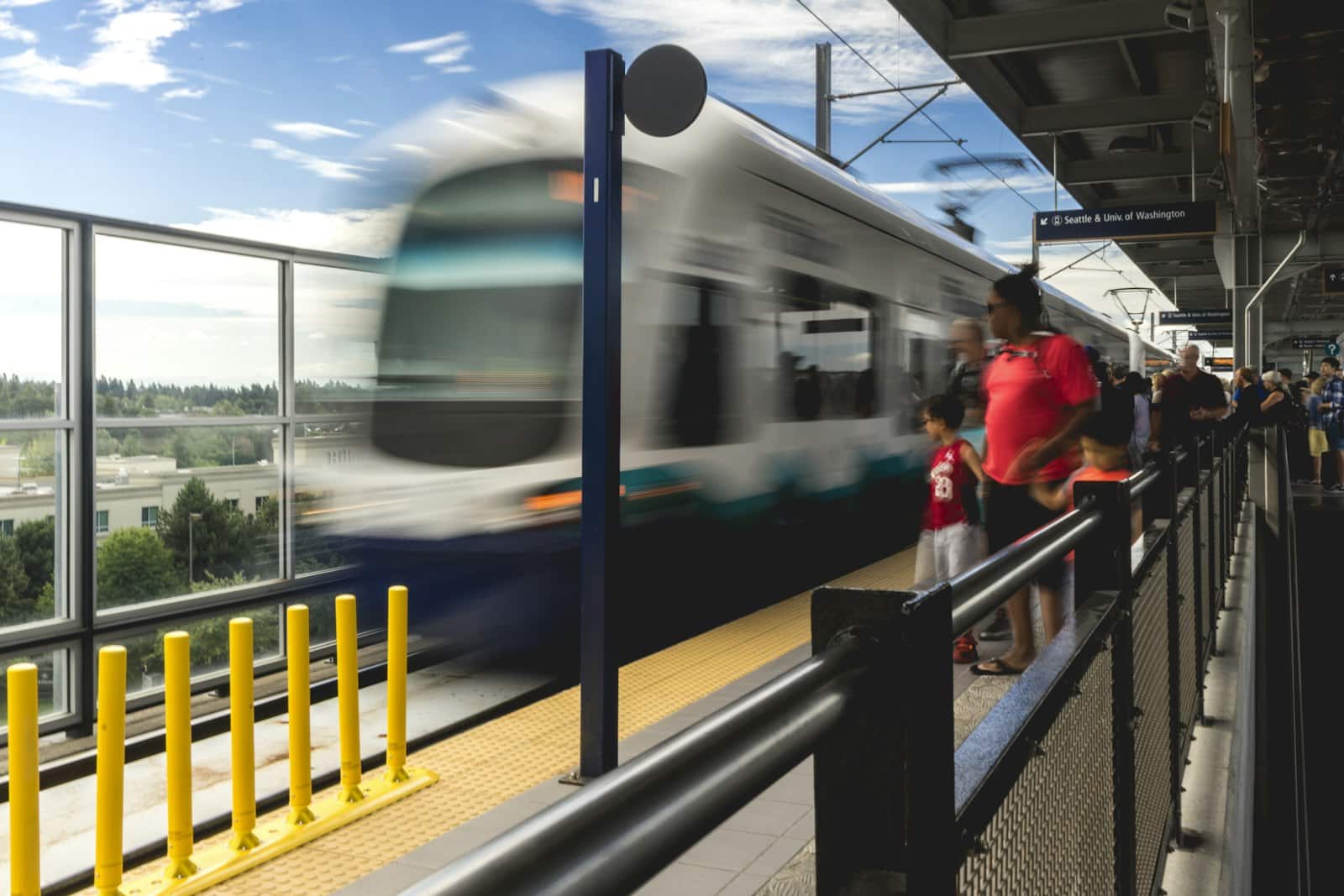
That shows up in who owns a car. Roughly half of New York City households don’t (about 46% owned one in 2021, per Census data). In Seattle it’s about one in five (20% of households in 2023, per Census data reported by The Urbanist). If you’ve been car-free for a decade, you can keep it up in Capitol Hill, on the light rail line, or in a few of the denser north-end neighborhoods, and plenty of our clients there use a car less than once a week. Pick a house on a hill in Magnolia and you’ll be buying a car in month two.
The commute math still favors Seattle. The average commute in the New York metro is 36.5 minutes. In the Seattle metro it’s 30 (Census Reporter, ACS 2024). Hills, bridges and water mean your commute depends more on which side of the lake you’re on than how many miles it is. If you’ll drive across, I-90 is free and SR 520 is tolled in both directions: as of October 2026, up to $4.90 at weekday rush hour with a Good To Go pass and $6.90 if they mail you the bill. One more thing nobody mentions: the time zone. A 9 a.m. meeting in New York is 6 a.m. here. If you keep East Coast clients or an East Coast boss, your mornings start early and your afternoons are quiet.
If you’re transferring with Amazon, Microsoft or another big employer, you already know the address. If you’re moving without a job lined up, be careful, and be more careful if your field is finance, media, publishing, fashion or law. Seattle has some of each and not much of any, and the market tilts toward a few very large tech employers that have had a rough few years. By our count, King and Snohomish counties added about 42,000 tech jobs from late 2019 to August 2022, then lost about 29,000 of them by early 2025. (We dug into what that’s doing to Eastside home prices in this post.) If your plan is to keep a New York job and work from here, reread the convenience rule above before you count on the tax savings. My advice either way: get the offer letter before you sign a purchase agreement.
For schools, if you’re used to New York’s applications, lotteries and specialized high school test, Seattle is simpler. Seattle Public Schools assigns by address, and the Eastside cities have their own districts (Bellevue, Lake Washington for Kirkland and Redmond, Mercer Island, Issaquah and Northshore). Boundaries don’t follow neighborhood names, so check the district’s boundary lookup for the exact address before you offer.
A lot of families moving here rule out Seattle Public Schools on reputation alone and head straight for the Eastside, the way New York families decamp to Westchester. I think that’s often a mistake, and we wrote about why Seattle’s schools are better than their reputation. If you’re buying for the long haul, our post on Seattle’s sleeper schools covers the ones we think will improve the most.
Driver’s license. State law gives you 30 days after you move to get a Washington driver’s license, and you need it before you can register a car here. If you haven’t driven in years, the license still matters: it’s one of the clearest signals to New York that you’ve moved.
Car registration. New residents also have 30 days to register their vehicles in Washington. No emissions test: Washington ended its program in 2020. If you’re buying your first car in a decade, wait until you’ve picked the neighborhood.
Register to vote. Washington votes entirely by mail, so register at your new address and the ballot comes to you. Then cancel your New York registration.
Move the rest of your life. Change your address with your bank, brokerage and employer, and move your doctors when you can. Every one of these is a residency fact if New York ever asks, and New York asks more often than most states. Tell your employer’s payroll team the move date and your new work location so your withholding switches on the right day.
Good To Go pass. If you’ll cross SR 520 or use the express toll lanes on 405, set up a Good To Go account before your first trip. Pay-by-mail costs $2 more per crossing on 520. It’s a separate system from E-ZPass.
Fall maintenance. Gutters are familiar. Roof moss is new. It’s an annual thing here, and moss removal runs about $500 to $800 from Seattle companies; gutter cleaning about $200 to $500.
If you own a co-op, start with your proprietary lease, because a lot of boards cap sublets at a year or two and some don’t allow them at all. Condos and houses are easier to rent out. Either way, since June 2025 the FARE Act means that if you hire a broker to find a tenant, you pay the fee, not the tenant.
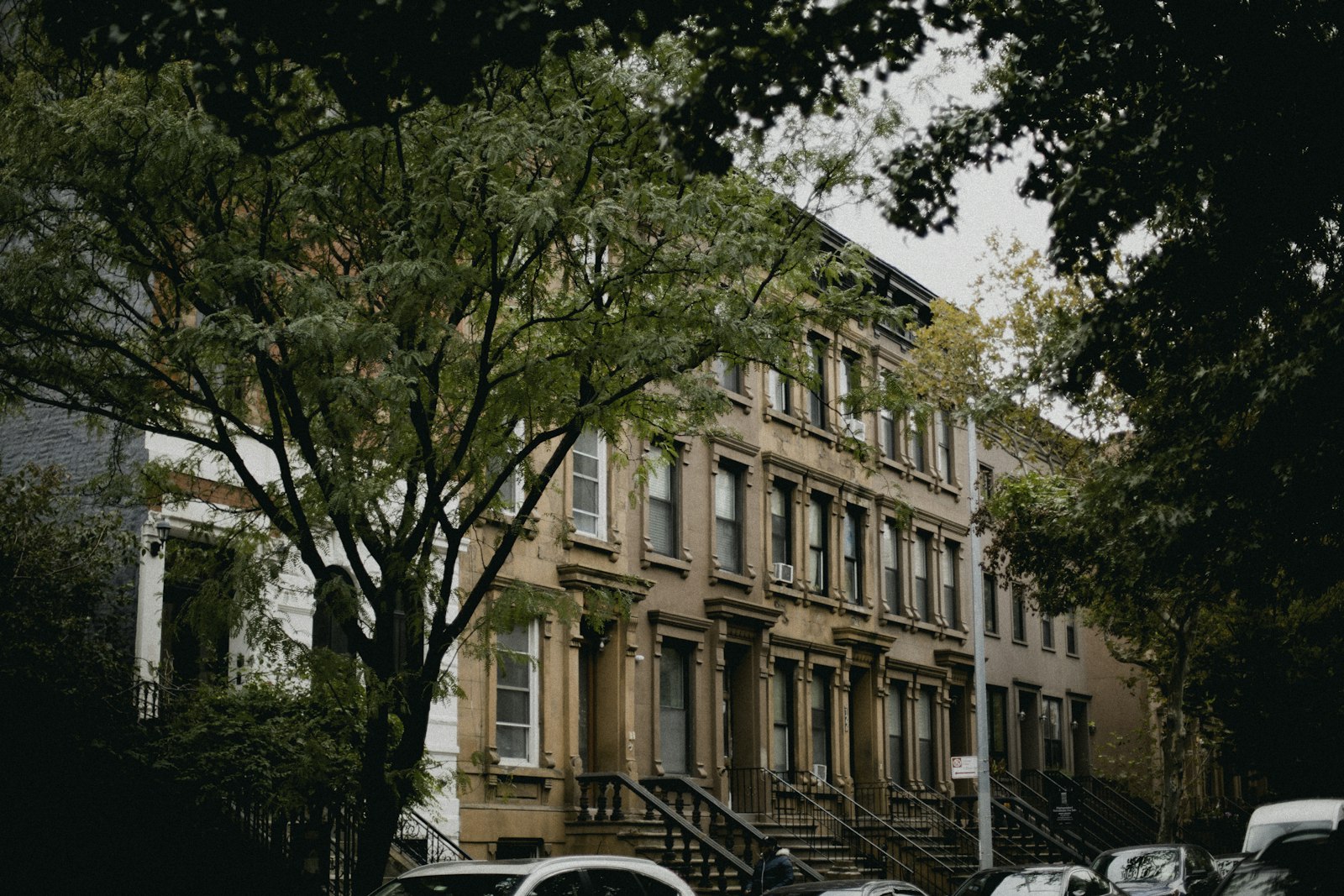
Here’s what keeping it means on taxes. You’ll file a New York nonresident return every year, because New York taxes rent from New York property no matter where you live. When you eventually sell as a nonresident, New York requires you to prepay estimated income tax on the gain at closing (Form IT-2663) unless the property was your principal residence, and a home you’ve rented out long enough stops being one. The general federal rule is two of the last five years, so you have roughly three years after moving out before that window closes, and losing it can also cost you the federal capital gains exclusion. And you’ll be a New York landlord from 2,400 miles away. None of that makes it a bad idea. It means you should run the numbers with a CPA before you list.
If you sell, budget for New York’s transfer taxes, which the seller pays: the state’s 0.4% plus the city’s 1% (1.425% over $500,000), and a flip tax on top if your co-op charges one. Timing matters too. New York homes are taking about 58 days to sell and Seattle homes about 19, so your New York sale will probably take longer than your Seattle purchase. Offers contingent on selling another home are hard to win on Seattle houses that are drawing multiple offers. Most people in your spot either sell first and rent here for a bit, or line up a bridge loan with a lender who does them. Condos are the exception: King County had 7 months of condo inventory in September, so if what you actually want is a nicer version of apartment life, a condo buyer here has real room to negotiate. (Our guide to the main loan types is a decent primer before you call a lender.)
Buy or rent here? If you know where you’ll work and you’ve spent real time in a couple of neighborhoods, I think buying soon makes sense, because buyers have more room now than they did in 2025. If you don’t know the neighborhoods yet, rent for six months to a year, ideally including a winter, and ideally somewhere you can test living without a car if that’s the plan. If this is your first house anywhere, which is true for a lot of New Yorkers, our list of first-time buyer mistakes is the place to start.
Yes, though less than you’d think on the sticker. The median home in Seattle sold for about $855,000 over the three months ending in September 2026, versus about $900,000 in New York City, but Seattle’s median is more house: $540 per square foot versus $623. Rents are about half of New York’s. Washington has no state or city income tax on wages, and sales tax is a bit higher.
Possibly, in two situations. If you keep a New York employer and work remotely from Seattle, New York’s convenience of the employer rule can treat your home office days as New York workdays. And if you keep a place to live in New York and spend 184 days or more there in a year, New York treats you as a resident for the whole year. A CPA who does multistate work can help you avoid both.
It depends mostly on your income. A New York City resident pays state tax of up to 10.9% plus city tax of up to 3.876%, and Washington doesn’t tax wages at all today. Washington does tax long-term capital gains above an annual deduction (but not home sales), and its estate tax starts at $3 million instead of New York’s $7.35 million.
Most people have one. About 20% of Seattle households don’t own a car, compared with roughly half in New York City. You can live car-free in Capitol Hill, near a light rail station, or in a few of the denser north-end neighborhoods. Most other neighborhoods assume you drive.
It’s much smaller. Link light rail has 51 stations on two lines and doesn’t run overnight; the subway has 472 stations and runs all night. Since March 2026, Link connects Seattle with Bellevue and Redmond across Lake Washington, and buses cover a lot of what the train doesn’t.
Summer and winter, yes. Winter light, no. Seattle’s average January low is 38°F versus 28°F in Central Park, it gets a fraction of the snow, and July averages 77°F with no humidity versus 85°F. But Seattle has about 156 rainy days a year versus 125, mostly drizzle, and its December days are almost an hour shorter.
Queen Anne or Wallingford: older houses on tree-lined streets, a small main street, playgrounds and a short trip downtown. For a Williamsburg feel, look at Capitol Hill.
Almost everything. There’s no attorney at closing, no co-op board, no 10% contract deposit and no mortgage recording or mansion tax. The offer is the contract, closings run about 30 days, you get the seller’s Form 17 disclosure with three business days to rescind, and your main protection is an inspection contingency.
It isn’t required. Earthquake coverage is added to a homeowners policy or bought separately, and deductibles typically run 10% to 25% of the coverage on the house, so get a quote before you close and decide with real numbers.
Check your co-op’s sublet rules first. If you can, you’ll file a New York nonresident return on the rent every year, you’ll pay any broker fee under the FARE Act, and after roughly three years as a rental you can lose the principal residence exemptions when you sell. Run the numbers with a CPA first.
If you’re planning a scouting trip, tell us when you’ll be in town and what you’re curious about. We’ll set up a learning tour across the neighborhoods that fit, with real cost numbers on the houses you see.
Coming from somewhere else? Start with our guide to moving to Seattle, which covers who moves here and what to expect wherever you’re coming from.
Disclaimer: This article is general information, not legal, tax or financial advice. Tax rules, ballot measures and market numbers change, and costs vary by house. Talk with your own CPA, attorney, inspector and contractor before making decisions.